
Ubuntu Flavour Crisis: MATE and Unity Skip LTS 26.04
Ubuntu MATE and Unity skip LTS 26.04. Open source sustainability reaches a breaking point in 2026.
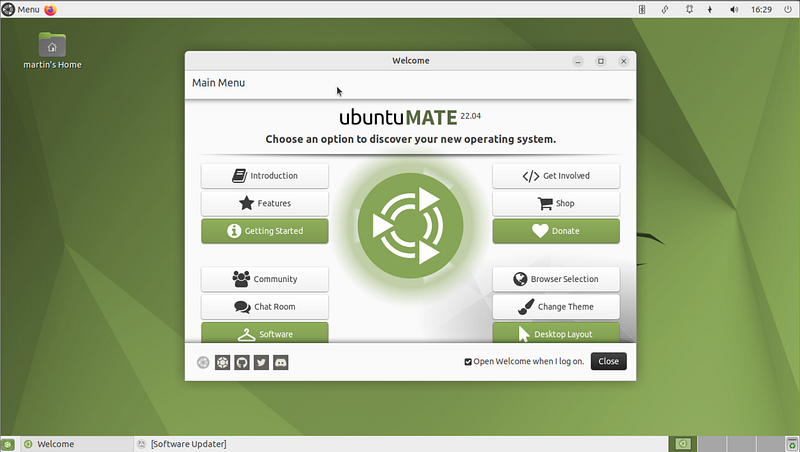
Two flavours. One decision. Ubuntu MATE and Ubuntu Unity just announced they cannot commit to LTS 26.04 status.
Three years of guaranteed support requires consistent maintenance, testing, and coordination every release cycle. Martin Wimpress built MATE for a decade. Rudra Saraswat runs Unity alongside university coursework.
Neither can promise three more years of unpaid work.
This is not drama. This is exhaustion.
If this pattern resonates with your open source experience, clap so other engineers can find this analysis.
LTS Demands vs. Volunteer Reality
For those less familiar with Ubuntu’s release structure, the distinction matters significantly.
Standard Ubuntu releases receive nine months of support. You install, use, and upgrade on Canonical’s schedule.
LTS (Long Term Support) releases provide five years of guaranteed maintenance for core Ubuntu (extendable to ten years with Ubuntu Pro). Ubuntu flavours typically receive three years of LTS support.
That difference transforms how organizations deploy Linux. Hospitals, schools, government offices, and enterprises standardize on LTS because they need predictable support windows.
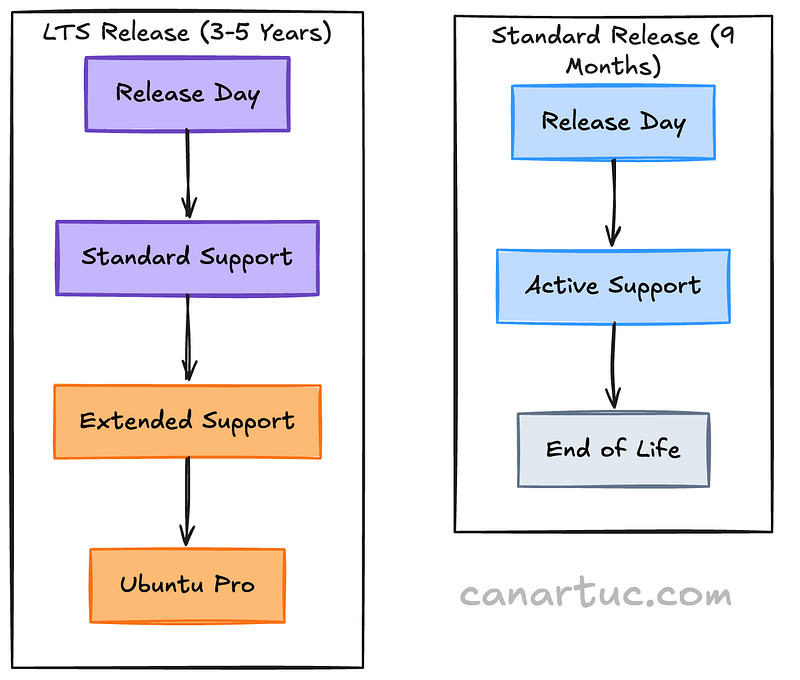
The burden falls differently across flavours.
I am a human writer who gets motivated to write more with your support! You don’t need to pay. I just need your clap 👏 if you like my story and comment ✍️ if you want to say something. You can follow me on Medium, LinkedIn, Instagram and X.
Canonical maintains core Ubuntu with paid engineers. Kubuntu, Xubuntu, and other flavours rely heavily on volunteers who coordinate with Canonical’s release schedule while managing their own desktop environments.
Ubuntu MATE became official in 2015. For ten years, Martin Wimpress led releases, tracked upstream changes, coordinated testing, and responded to user issues.
That commitment demands hundreds of hours annually. Without pay. Without guarantees.
He moved to other projects, including Noughty Linux. Rudra Saraswat, who revived Unity after Canonical abandoned it, balances maintenance with university coursework.
Neither departure reflects failure. Both represent predictable human limits.
The Economics of Volunteer Maintenance
Projects depending on single points of failure eventually fail at those points.
The open source ecosystem has a funding problem disguised as a volunteer problem.
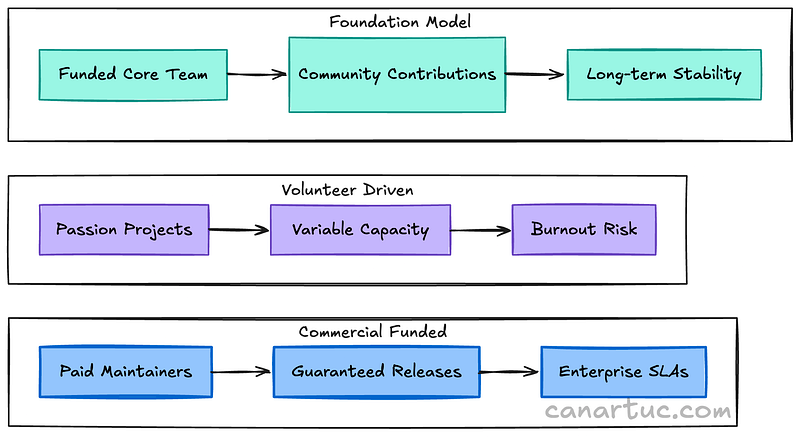
Red Hat pays kernel contributors. Canonical pays core Ubuntu developers. Major foundations fund critical infrastructure like OpenSSL after Heartbleed exposed the risks of unpaid maintenance.
Ubuntu flavours occupy an uncomfortable middle ground.
They benefit from Ubuntu’s reputation, infrastructure, and user base. Canonical benefits from flavours expanding the ecosystem and serving users who prefer different desktop environments.
But the economic relationship flows one direction.
Should Canonical pay flavour maintainers?
The purist answer cites volunteer ethos. The pragmatic answer observes that every LTS-grade project with reliable long-term support has paid maintainers somewhere in the stack.
Passion builds innovations. Passion alone rarely sustains production software across multi-year support windows.
Have you experienced this funding gap in projects you depend on? I want to know your perspective.
Impact Assessment: What Changes for Users
Existing Ubuntu MATE and Unity installations continue receiving updates. Both projects can release non-LTS versions. The desktops are not disappearing.
What changes is the support guarantee.
Without LTS status, these flavours become unsuitable for environments requiring predictable multi-year support.
The workarounds are straightforward but inconvenient.
Install standard Ubuntu and add the MATE or Unity desktop environment manually. Switch to Kubuntu, Xubuntu, or another maintained LTS flavour. Accept shorter support cycles and plan for biannual upgrades.
None of these options are catastrophic. All require effort. Organizations that standardized on MATE or Unity face genuine planning overhead.
The Broader Pattern
After architecting 14 compliant platforms across telecommunications, digital health, and media, I have learned that succession planning is not optional. It is existential.
The Linux ecosystem has grown enormously successful. Billions of devices run Linux. Cloud infrastructure depends on Linux. Enterprise software builds on Linux.
Much of this success rests on volunteer foundations we collectively assume will persist.
We assume someone will maintain that critical package. We assume community projects will find new maintainers when current ones move on.
Sometimes they do. Sometimes they do not.

Ubuntu MATE maintained consistent releases since 2015. Ubuntu Unity represented an important desktop alternative after Canonical abandoned the environment.
Both demonstrate what happens when we assume passion scales indefinitely.
Evaluating Project Sustainability
If you are selecting Linux distributions for production use, evaluate maintenance sustainability alongside features.
Look for projects with multiple active maintainers. Check commit frequency and contributor diversity. Understand who funds core development.
Ask what happens when the lead maintainer steps away.
These questions feel paranoid until you are running infrastructure on an unmaintained stack. Then they feel obvious.
The Ubuntu flavour situation serves as a reminder, not a crisis.
Most Linux users adapt easily. But the underlying pattern of volunteer burnout eroding project sustainability affects far more than desktop environments.
It affects the packages your production systems depend on. The libraries your applications import. The infrastructure your business runs on.
The “free” in free software has a cost. Usually, maintainers pay it. Until they cannot anymore.
Have you seen projects you depend on struggle with maintainer burnout? How do you evaluate project health before adopting dependencies? Looking forward to hearing your experience in the comments.
I am a human writer who gets motivated to write more with your support! You don’t need to pay. I just need your clap 👏 if you like my story and comment ✍️ if you want to say something. You can follow me on Medium, LinkedIn, Instagram and X.