
Linux Distros in 2024
Linux is a fantastic free and open-source operating system that’s been around for ages. It’s a tremendous alternative to Windows and macOS.

I am an active Linux user at home and work. There are many different versions of Linux, each with its advantages.
I Changed My Go-to Linux Distro for the First Time from Year 2006
Let’s talk about some of the most popular ones in the year 2024 up to now.
Ubuntu

Ubuntu is like the cool kid on the block. It’s super user-friendly and perfect for newbies and seasoned pros alike. It’s got a vast software library and gets regular security updates. Plus, the community is super supportive.
Target Audience:
Newbies to Linux
Anyone who wants a stable and reliable operating system
Developers
Personal Note: I don’t like Snap packages. They’ve been built for servers, and there are many disadvantages to using them on the desktop. I will not bother with these disadvantages now; maybe in another article.
Debian
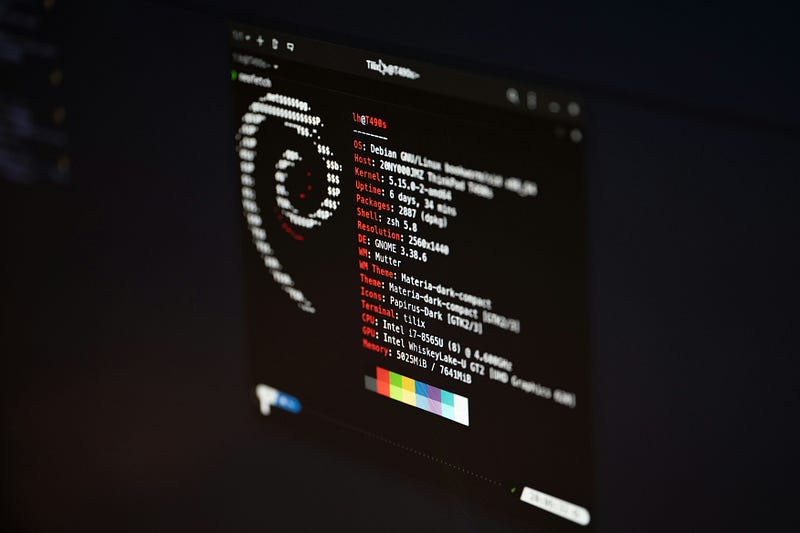
Debian is like the wise old sage of Linux. It’s one of the oldest and most stable distros out there. System admins and developers love it because it’s super reliable and secure.
Target Audience:
System admins
Developers
Anyone who values stability and reliability
Personal Note: I am a huge Debian fan. Until now, it has always suffered from being stable but not up to date. Debian 12 “Bookworm” can be the best release in their history.
Fedora

Fedora is like the adventurous explorer of the Linux world. It’s constantly pushing the boundaries with cutting-edge features and a focus on innovation. Developers and system admins dig it, and anyone who wants to try out the latest Linux tech.
Target Audience:
Developers
System admins
Anyone who wants to be on the bleeding edge of Linux
Personal Note: As you can see from my Medium post, I switched from Ubuntu to Fedora after nearly two decades, but I am still unsure because of its owners’ behaviours. I am using it at work.
Arch Linux
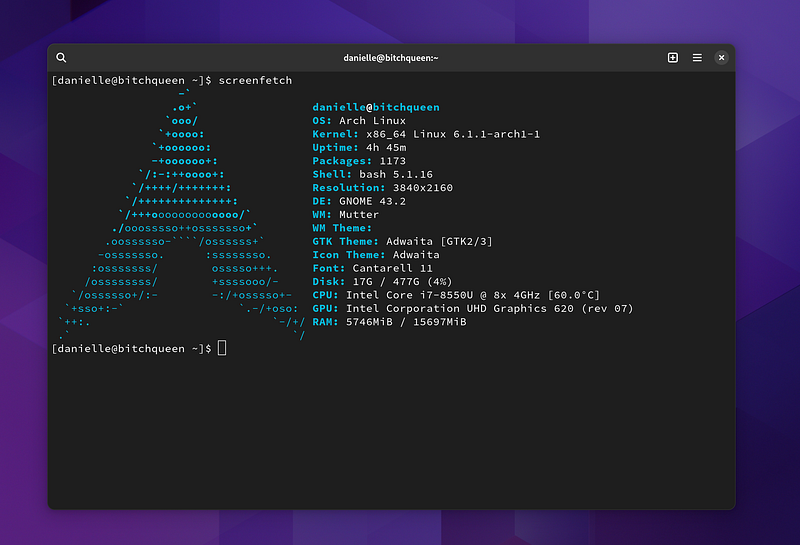
Arch Linux is like the minimalist of the Linux bunch. It’s super lightweight and customisable but also more challenging to set up. Experienced Linux users and developers love it because it gives them complete control over their system.
Target Audience:
Experienced Linux users
Developers
Anyone who wants a lightweight and customisable system
Personal Note: I never tried personally but tried Manjaro based on Arch Linux. Although I value their contributions and DIY mentality, I have never found enough time to build it from scratch.
Linux Mint
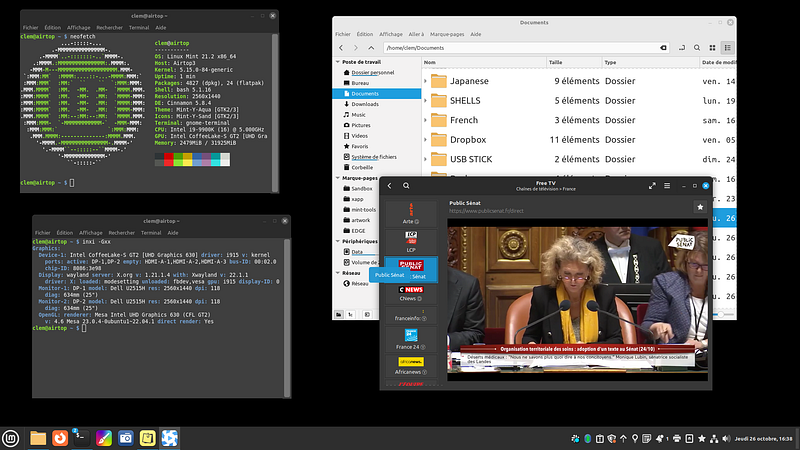
Linux Mint is like the cosy cottage of Linux distros. It’s based on Ubuntu and is known for its user-friendly interface and focus on stability. It’s perfect for newbies and anyone who wants a reliable and easy-to-use system.
Target Audience:
Newbies to Linux
Anyone who wants a stable and reliable system
Anyone who wants a user-friendly interface
Personal Note: It is a great Linux distro, but I have never liked the Cinnamon interface, which is very well integrated. If I go with other interfaces, there are different solutions, too.
Manjaro
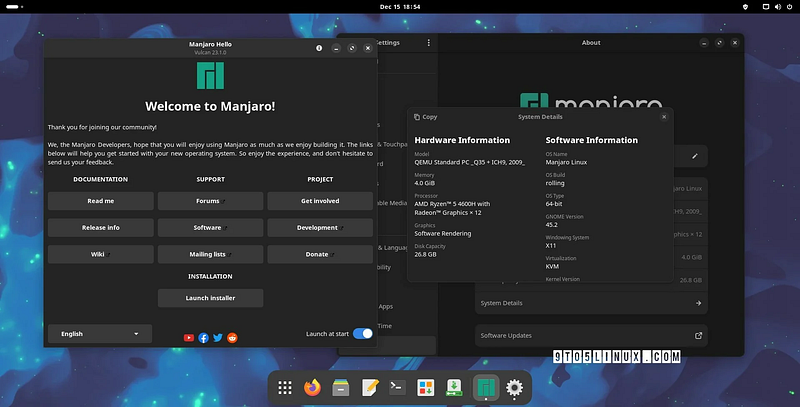
Manjaro is like the bridge between Arch Linux and Mint. It’s based on Arch Linux but has a user-friendly interface and focus on stability. It’s perfect for people who want the best of both worlds.
Target Audience:
Newbies to Arch Linux
Anyone who wants a stable and reliable system
Anyone who wants a user-friendly interface
Personal Note: It is great, but I am Debian-biased and more comfortable in apt than pacman, although it is straightforward.
Pop!_OS

Pop!_OS is like the sleek sports car of Linux distros. It was developed by System76 and is known for its focus on performance and design. Developers, gamers, and anyone who wants a high-performance system with a beautiful interface love it.
Target Audience:
Developers
Gamers
Anyone who wants a high-performance system
Anyone who wants a user-friendly interface
Personal Note: My favourite and default distro for my home machine.
NixOS
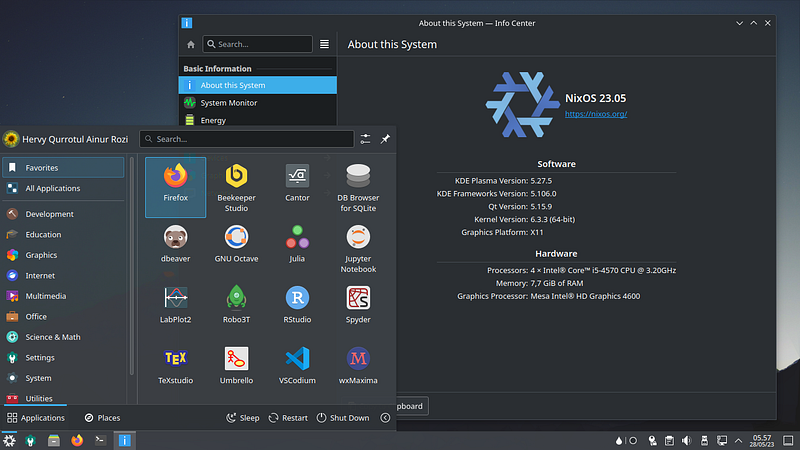
NixOS is a unique and innovative Linux distribution known for its declarative configuration and reproducibility. Here’s why it stands out:
Declarative Configuration: NixOS uses a functional programming language called Nix to define the entire system configuration, including packages, services, and settings. This approach makes it easy to manage and understand the system’s state.
Reproducibility: NixOS ensures the system is always in the same state after a rebuild. This reproducibility is achieved using pure functions and immutable infrastructure, making it ideal for building reliable and consistent systems.
Package Management: NixOS has a powerful package manager called Nix, which allows users to install, upgrade, and remove packages declaratively and transactionally. Nix also provides atomic upgrades, ensuring the system remains consistent during updates.
Security: NixOS prioritises security using a read-only root filesystem and atomic upgrades, reducing the risk of vulnerabilities and system compromises. Additionally, Nix packages are built in isolated environments, enhancing the system’s security.
Target Audience:
System administrators and DevOps engineers who value reproducibility and reliability
Developers who appreciate functional programming and declarative configuration
Security-conscious users who prioritise the integrity and safety of their systems
Personal Note: I haven’t found a use case at work or home, and I am unsure if I will soon. It reminds me of Deepfreeze when the internet cafes popped up, although their ideas differ.
Many other great Linux distros are out there, but these are some of the most popular ones. When choosing a distro, it’s essential to consider your needs and preferences. Some distros are better suited for beginners, while others are better for experienced users. Some distros are designed for specific purposes, such as gaming or multimedia editing.
The best way to find the right distro for you is to try a few different ones and see which one you like best. You can download and install Linux distros on a USB or virtual machine. So, explore the world of Linux and find your perfect match!