
If I Must One Book for Software Engineering, I Buy This Book
Software engineers: Get the essential guide to becoming a senior, tech lead, or staff engineer. This book has it all!

IMPORTANT: The author did not send me this book for free. I purchased it myself, but the article has an affiliate link to purchase it.
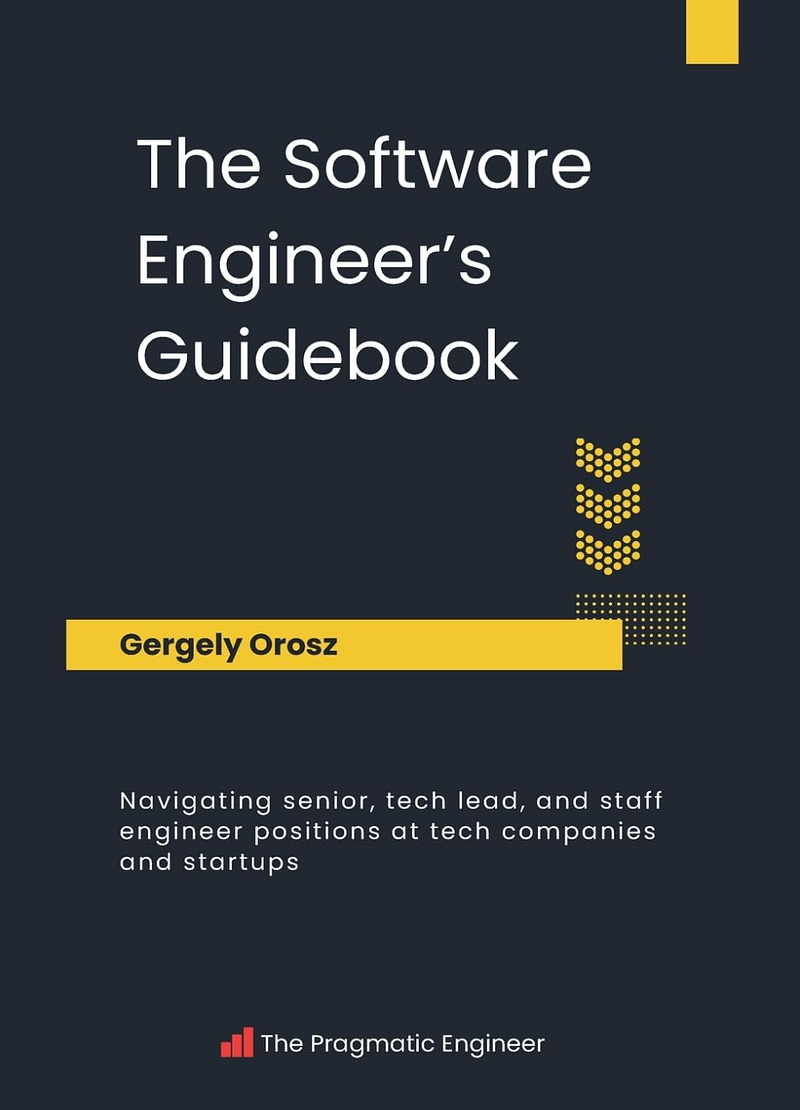
Level Up Your Software Engineering Career: A Deep Dive into “The Software Engineer’s Guidebook”
In the ever-evolving world of software engineering, navigating the path to senior and leadership positions can feel like deciphering an ancient code. Gergely Orosz's “The Software Engineer’s Guidebook” demystifies this process, offering a roadmap for aspiring senior engineers, tech leads, and staff engineers. This comprehensive guide goes beyond technical prowess, equipping readers with the tools and knowledge to navigate the intricate landscape of a software engineering career.
From Competent Developer to Well-Rounded Senior Engineer
The book strategically divides the software engineer’s journey into distinct sections.
Part 1 establishes a vital foundation with “Developer Career Fundamentals.” This section tackles essential topics like setting career goals, navigating performance reviews, and building a solid personal brand. These seemingly simple practices pave the way for a successful trajectory.
Part 2 dives into “The Competent Software Developer,” equipping readers with the technical knowledge and best practices expected at the mid-level stage. Orosz emphasizes the importance of clean code, testing strategies, and design patterns. This section serves as a springboard for solidifying their technical foundation.
Part 3 propels readers towards “The Well-Rounded Senior Engineer.” This section delves deeper into technical mastery and introduces crucial “soft skills” that differentiate senior engineers. Communication, mentorship, and the ability to influence technical decisions become the focus. The book offers practical advice on navigating difficult conversations, providing effective feedback, and building solid relationships with colleagues.
The Pragmatic Tech Lead: Leading the Charge
Part 4 tackles the multifaceted role of “The Pragmatic Tech Lead.” Here, Orosz outlines the responsibilities and challenges associated with leading technical teams. He delves into effective delegation, project estimation, and building a strong team culture. The book equips aspiring tech leads with the tools to navigate technical roadblocks, manage conflict, and foster a collaborative environment.
The Role Model: Staff and Principal Engineers
Parts 5 and 6 explore the coveted positions of “Role Model Staff and Principal Engineers.” These sections discuss the technical mastery and strategic thinking expected at this level. Orosz illuminates system design, architecture, and the ability to solve complex, ambiguous problems. He also emphasizes the role of mentorship, guiding junior engineers and fostering the growth of the technical team.
Beyond the Technical: The Nuances of the Software Engineering Career Path
One of the significant strengths of “The Software Engineer’s Guidebook” is its exploration of the non-technical aspects of a software engineer’s career. The book addresses overlooked topics, such as salary negotiation, navigating politics within an organization, and building a robust professional network. These insights empower readers to make informed decisions and advocate for themselves throughout their careers.
The book acknowledges that the path to senior and leadership positions is dynamic. Orosz emphasizes the importance of self-reflection and continuous learning. He encourages readers to identify their strengths and weaknesses, set SMART goals (Specific, Measurable, Achievable, Relevant, and Time-bound), and continuously seek opportunities to learn and grow.
A Guidebook for All Paths: Startups vs. Established Companies
While the core principles remain consistent, “The Software Engineer’s Guidebook” acknowledges the differences between navigating a software engineering career path at a startup versus an established company. The book highlights the faster pace, flatter hierarchy, and potentially steeper learning curve associated with startups. Conversely, it discusses the greater structure, stability, and well-defined career paths often found in established companies.
Beyond the Book: Resources and the Software Engineering Community
“The Software Engineer’s Guidebook” doesn’t end with the final page. Orosz provides readers with a wealth of additional resources, including a companion website with articles, templates, and a vibrant online community forum. This fosters a sense of connection and allows readers to learn from the shared experiences of other software engineers.
In Conclusion: A Valuable Investment in Your Software Engineering Journey
“The Software Engineer’s Guidebook” is a comprehensive and insightful resource for any software engineer seeking to navigate the path to senior and leadership positions. By combining technical knowledge with essential soft skills and career development strategies, the book empowers readers to take control of their professional journeys. Whether you’re a mid-level engineer aspiring to become a senior leader or a seasoned professional seeking to refine your skills, “The Software Engineer’s Guidebook” offers valuable insights and practical advice. It’s an investment that will pay dividends throughout your software engineering career.