
htop to btop++: How Linux Process Monitors Actually Evolve
htop dominated Linux monitoring for 16 years. Then its creator burned out. The community fork and modern alternatives reveal how open…
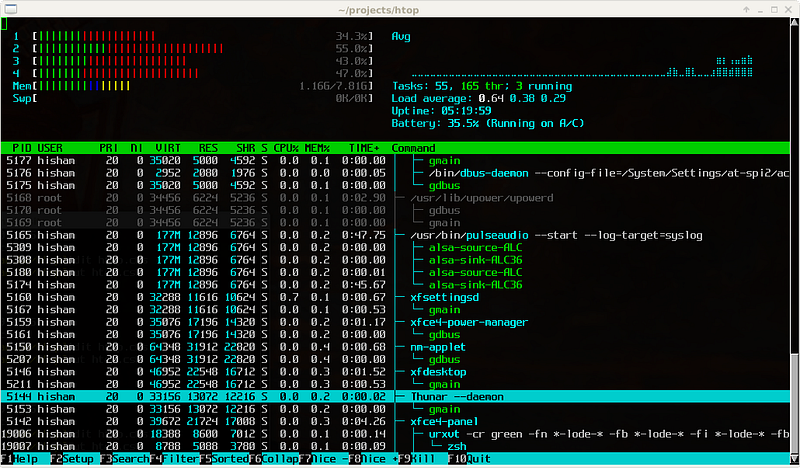
htop dominated Linux monitoring for 16 years. Then its creator burned out. The community fork and modern alternatives reveal how open source truly works.
Forty years. One command. Every server runs it.
William LeFebvre created top at Rice University in 1984. Linux would not exist for another seven years. That same process viewer still ships as default on every distribution today.
The journey from top to htop to btop++ exposes something deeper than feature comparisons. It reveals how open source actually works: solo maintainers burning out, community forks rescuing critical infrastructure, and modern languages rewriting the terminal landscape.
If this evolution story helps you understand Linux tooling better, a clap helps others discover it.
When Static Became Real-Time
Process monitoring started with ps at AT&T Bell Labs in the early 1970s. Static snapshots. No updates. Run the command, get your list, move on.
LeFebvre’s top introduced something revolutionary: a rolling view that updated every three seconds. CPU consumers sorted at the top. Real-time visibility into system load.
The innovation was real. The interface was brutal.
