
Dell XPS Ubuntu 2026: Customer Revolt Brings Back Linux
Dell reverses 2025 decision to kill XPS brand after customer backlash. XPS 14 returns with Ubuntu 24.04 LTS, modular repairs, and Intel’s…
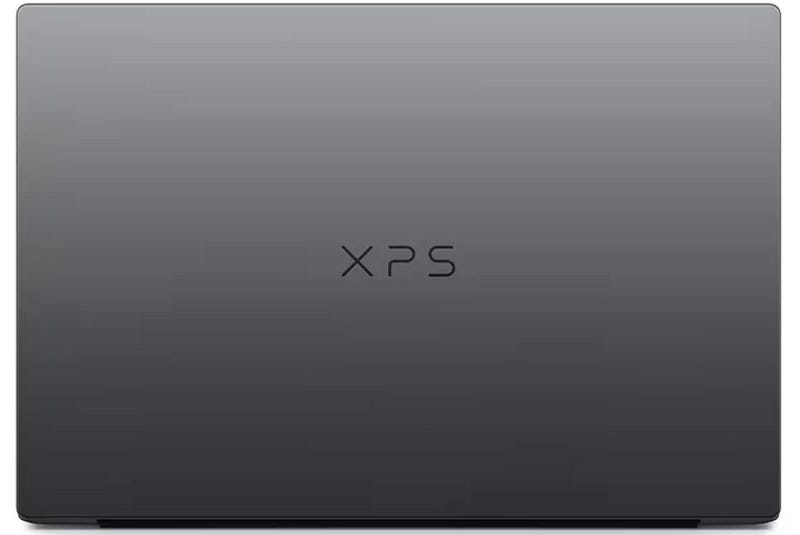
Dell reverses 2025 decision to kill XPS brand after customer backlash. XPS 14 returns with Ubuntu 24.04 LTS, modular repairs, and Intel’s latest.
One brand. Fifteen years of trust.
Dell tried to kill the XPS line in 2025, replacing it with forgettable names like “Dell Pro Max.” The Linux community responded with something the company did not expect: organized revolt.
At CES 2026, Dell announced that the XPS is back. Not just back, but back with Ubuntu 24.04 LTS support on the XPS 14. When a Fortune 50 company reverses a major branding decision within twelve months, someone was paying attention to the feedback.
This announcement matters because it shows that customer voices still have power in the hardware industry.
If you think this story deserves visibility, hit the clap button.
The 2025 Decision That Backfired
Dell made a bold move in 2025. They announced the retirement of the legendary XPS brand, replacing it with the Dell, Dell Pro, and Dell Pro Max naming scheme. The internet was not kind.
The XPS line had earned its reputation over more than a decade. The XPS 13 Developer Edition became the default recommendation for Linux users who wanted premium hardware with proper manufacturer support. Removing that brand meant removing trust.
What Dell discovered is something enterprise software companies learn the hard way: brand equity takes years to build and moments to destroy. Customer feedback was overwhelming.
They listened.
What CES 2026 Brought Back
I am a human writer who gets motivated to write more with your support! You don’t need to pay. I just need your clap 👏 if you like my story and comment ✍️ if you want to say something. You can follow me on Medium, LinkedIn, Instagram and X.
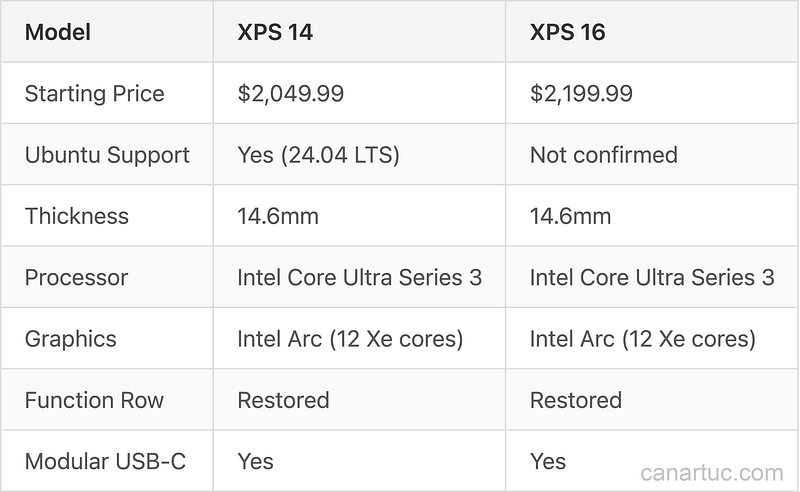
The redesigned XPS 14 and 16 bring Intel’s Core Ultra Series 3 processors with integrated Intel Arc graphics featuring 12 Xe cores. At 14.6mm thick, these machines are remarkably slim while packing serious compute power.
The restored function row is a direct response to user complaints. Dell had experimented with a touch bar approach, and users made clear they wanted physical keys. The modular USB-C ports and easy-to-remove keyboard signal a shift toward repairability that the Right to Repair movement has been demanding.
Ubuntu 24.04 LTS on Premium Hardware
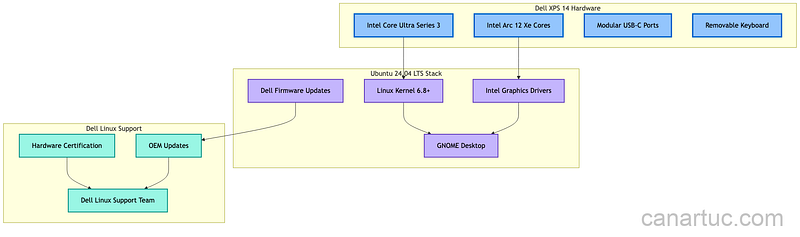
The XPS 14 will ship with Ubuntu 24.04 LTS later in 2026. This is significant for several reasons.
Ubuntu 24.04 brings the 6.8 kernel with excellent Intel graphics support. The Intel Arc integrated graphics with 12 Xe cores should provide solid performance for development workloads, light video editing, and even some gaming. More importantly, Intel’s open-source graphics driver stack is mature and well-maintained.
Dell’s OEM relationship with Canonical means proper firmware integration. LVFS (Linux Vendor Firmware Service) updates work correctly. Suspend, hibernate, and power management function as expected. These are the details that make or break a Linux laptop experience.
Why This Matters for the Linux Hardware Market
The premium Linux laptop market has been growing steadily, but it still lacks mainstream visibility. Dell’s return to Ubuntu support validates the market segment.
Every year, users ask me what laptop to buy for Linux development. There was Dell; and now System76, Framework, or ThinkPads with community-validated Linux support.
Having Dell back in the game with official Ubuntu certification gives users a premium option with full manufacturer backing.
Have you been waiting for Dell to return to Linux? I am looking forward your comments and experience with Dell in the comments.
The Repairability Angle
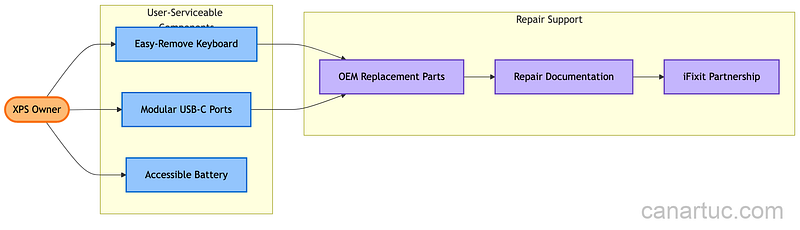
The modular design philosophy extends beyond marketing. Easy-to-remove keyboards and modular USB-C ports mean real improvements in repairability.
I have replaced keyboards on older XPS models. It was not fun. Multiple ribbon cables, adhesive, and good luck were required. If Dell has genuinely improved this experience, it addresses one of the most common failure points in laptop ownership.
USB-C port failures are increasingly common as we push more power and data through these connectors. Modular ports that can be replaced without a full motherboard swap would be a significant durability improvement.
Pricing and Value Proposition
Starting at $2,049.99 for the XPS 14 and $2,199.99 for the XPS 16, these are premium machines. The pricing puts them in competition with the MacBook Pro line and high-end ThinkPads.
For that price, you get Intel’s latest mobile platform, Ubuntu certification, and Dell’s enterprise support infrastructure. Whether that value proposition makes sense depends on your priorities.
System76 offers comparable performance at lower prices. Framework offers superior repairability. ThinkPads offer legendary durability. Dell’s advantage is the combination of premium build quality with mainstream manufacturer backing.
What This Means Going Forward
Dell listening to customer feedback and reversing a major branding decision is rare. It demonstrates that customer voices matter, especially when those voices are unified and persistent.
The XPS brand carries weight with developers, power users, and Linux enthusiasts. Dell’s return to Ubuntu support with the XPS 14 suggests they understand this market segment is worth serving.
I will reserve final judgment until I can test the actual hardware (if I can). Ubuntu 24.04 on Intel Core Ultra with Arc graphics should be a compelling combination. The repairability improvements sound promising. The restored function row is a welcome correction.
For now, the announcement itself is the news. Dell killed the XPS. Customer feedback brought it back. With Ubuntu.
Sometimes the industry actually listens.
I am a human writer who gets motivated to write more with your support! You don’t need to pay. I just need your clap 👏 if you like my story and comment ✍️ if you want to say something. You can follow me on Medium, LinkedIn, Instagram and X.